


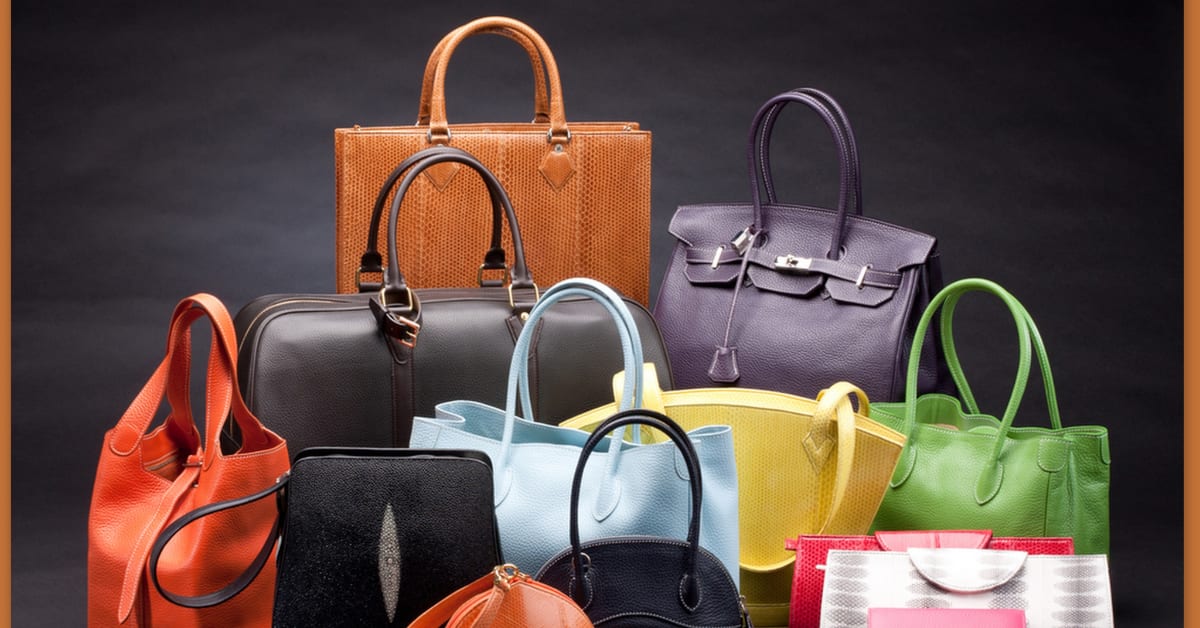
Introduction: The Evolution of the Global Handbag Market
The global handbag market has evolved dramatically over the past decade, transforming from a mere utility item into a powerful fashion statement and status symbol. Driven by changing consumer lifestyles, rising disposable incomes, and the influence of fashion-forward cultures across the globe, handbags have emerged as essential accessories in both casual and formal wardrobes. From luxury designer brands to functional everyday totes, handbags are now seen as key elements of self-expression, utility, and brand identity. This growing importance has made the handbag industry one of the most vibrant and rapidly changing segments within the global fashion and accessories market.
Market Overview: Growth Trajectory and Revenue Insights
The handbag market is experiencing robust expansion across developed and emerging regions alike. According to a recent report by Persistence Market Research, the global handbag market size is anticipated to grow significantly from US$ 67.9 billion in 2025 to reach US$ 114.9 billion by 2032. This notable growth trajectory represents a compound annual growth rate (CAGR) of 7.8% during the forecast period. Such growth is indicative of both increasing global consumer demand and the ability of handbag brands to adapt to rapidly evolving trends, such as sustainability, digital commerce, and customization.
Rising global fashion consciousness, coupled with increasing urbanization and the growth of working women populations, is contributing significantly to the steady growth of the market. Furthermore, social media influence and celebrity endorsements are driving faster adoption of trending handbag styles, fueling consumer spending and reshaping purchase behavior.
What Are the Key Trends Driving Growth in the Handbag Market?
Several high-impact trends are reshaping the handbag market and creating new opportunities for players in the industry. One major trend is the increasing consumer preference for sustainable and ethically made handbags. With greater awareness about the environmental impact of fast fashion, many consumers are now seeking bags made from recycled, vegan, or responsibly sourced materials.
Another trend is the shift toward personalization and limited-edition designs. Modern consumers value individuality and exclusivity, prompting brands to offer custom monogramming, bespoke colors, and even user-designed models. At the same time, technology is becoming more embedded in handbags, with features such as built-in charging ports and anti-theft systems becoming increasingly common.
E-commerce and omnichannel strategies have also transformed how handbags are bought and sold. With online platforms providing a global showcase for brands, consumers now have access to a wide variety of products across price points and styles. The use of AI and big data is further enhancing the customer shopping experience, allowing brands to make more personalized product recommendations and engage in real-time customer service.
Which types of handbags are currently most popular among consumers worldwide?
The most popular types of handbags currently dominating the global market include tote bags, shoulder bags, crossbody bags, and mini bags. Tote bags remain a top choice for working professionals and students due to their spacious design and functionality. Crossbody bags are favored for their hands-free convenience, especially for daily commuting and travel. Mini bags and micro bags have surged in popularity among younger demographics and fashion enthusiasts, driven by social media trends and celebrity endorsements. Versatility, durability, and aesthetic appeal remain key decision factors, along with brand reputation and sustainability credentials in today’s handbag purchase choices.
Market Segmentation: Understanding Consumer Preferences
The handbag market is diverse and can be segmented by product type, material, end-user, and distribution channel. Popular product categories include shoulder bags, satchels, tote bags, clutch bags, and backpacks. Among these, shoulder and tote bags hold a dominant share due to their practicality and everyday usability.
Materials used in handbag production vary widely, from genuine leather and synthetic materials to eco-friendly alternatives like cork, jute, and recycled plastics. Leather remains a favored material in the luxury segment for its durability and premium feel, while synthetic and vegan materials are gaining traction among environmentally conscious consumers.
In terms of end users, women remain the primary demographic, but there is rising interest in men’s and unisex handbags, especially in urban fashion hubs. Brands are also increasingly targeting young adults and Gen Z shoppers with trend-forward, affordable offerings that reflect their values and lifestyles.
Regional Analysis: Global Spread and Key Markets
The handbag market is globally dispersed, with strong demand emerging from both established and developing economies. North America and Europe have long dominated the market due to their high per capita income, strong fashion retail networks, and established luxury brands. In these regions, consumer spending on designer and premium handbags continues to rise, supported by a culture of brand-consciousness and aspirational buying.
However, the Asia Pacific region is now emerging as a fast-growing hub for handbag consumption. Countries such as China, India, Japan, and South Korea are witnessing a surge in demand, fueled by rising middle-class populations, urbanization, and greater exposure to global fashion trends through digital platforms. Chinese consumers, in particular, are significant contributors to the global luxury handbag segment, with strong brand loyalty and a preference for international labels.
The Middle East and Africa are also registering gradual growth, driven by expanding retail networks and increasing female workforce participation. In Latin America, fashion-forward consumers are embracing handbags as lifestyle essentials, creating localized opportunities for both global and regional brands.
Innovation and Competitive Landscape
Innovation continues to be a cornerstone of growth in the handbag market. Leading brands are investing in R&D to create new textures, functionalities, and sustainable materials that appeal to the evolving tastes of modern consumers. From foldable designs and water-resistant fabrics to embedded RFID security and modular components, innovation is not only enhancing product appeal but also ensuring greater utility.
The market is intensely competitive, with a blend of global luxury giants, mid-tier fashion houses, and regional brands all vying for consumer attention. Key players such as Louis Vuitton, Gucci, Chanel, Prada, and Michael Kors dominate the premium and luxury segments, while affordable and fast-fashion labels like Zara, H&M, and Charles & Keith capture volume-driven growth. Direct-to-consumer (DTC) brands are also disrupting the traditional retail model by offering high-quality, stylish handbags at competitive prices through online platforms.
Opportunities: What Lies Ahead for Market Players
The future of the handbag market offers numerous opportunities for innovation, expansion, and differentiation. Sustainability will remain a defining theme, and brands that proactively adopt green manufacturing processes, recyclable packaging, and transparent supply chains are likely to gain a competitive edge.
Customization and digital integration are expected to further revolutionize customer engagement. AR-enabled shopping experiences, virtual try-ons, and mobile apps for product care and authentication could become standard offerings. Emerging markets offer vast untapped potential, especially as mobile commerce and digital payment options gain traction in these regions.
Collaborations between luxury brands and influencers, artists, or fashion tech companies will continue to drive excitement and build brand equity among younger consumers. Moreover, rental and resale platforms are emerging as growth areas, fueled by the circular economy and a shift in consumer mindset toward ownership alternatives.
Conclusion: A Market Rich with Potential
The handbag market stands at a unique intersection of fashion, utility, and innovation. As consumers continue to seek products that reflect their values, lifestyles, and tastes, the market will evolve to accommodate new trends and technologies. With a projected CAGR of 7.8% from 2025 to 2032 and a market size expected to grow from US$ 67.9 billion to US$ 114.9 billion, the industry’s future looks promising. By embracing sustainability, digital transformation, and consumer-centric innovation, brands can unlock new revenue streams and solidify their place in a rapidly changing fashion ecosystem.
Explore the Latest Trending “Exclusive Article” @
• https://www.linkedin.com/pulse/handbag-market-key-players-competitive-landscape-pr-news-sync-jgruf/
• https://webrankmedia.wordpress.com/2025/07/04/handbag-market-growth-drivers-in-luxury-fashion-industry/
• https://medium.com/@apnewsmedia/handbag-market-trends-and-forecast-analysis-for-2025-e23322a1c1f6
• Edible Cutlery Market
• Musical Instruments Market
link