


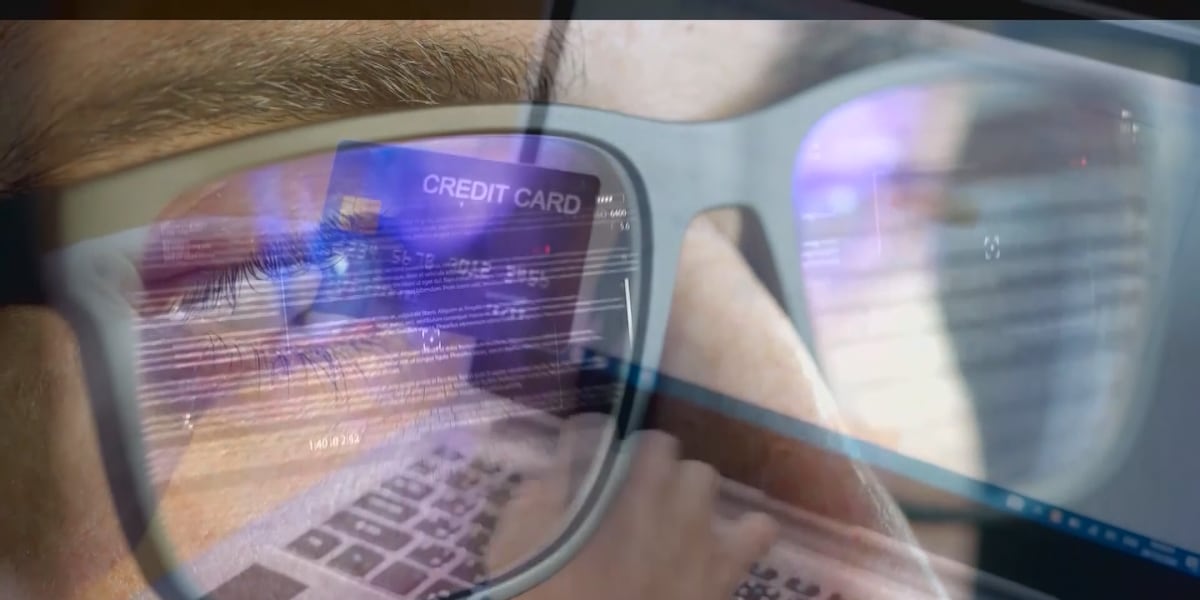
BRYAN, Texas (KBTX) – As shoppers check off items on their Christmas lists, scammers are counting on catching them off guard during the busiest online shopping season of the year.
Kelly Siegel, CEO and founder of National Technology Management, an industry-leading IT and cybersecurity firm, warns this time of year is especially risky for consumers due to increased online activity and scammer tactics that exploit holiday urgency.
“There’s more online shopping because of the holidays, so there’s more data being entered,” Siegel said. “Scammers exploit urgency, deals, and distractions. So, you got to be very, very careful.”
Siegel said scammers use consumer urgency as a weapon, making slowing down the most important defense against fraud.
“If they pressure you to act now, stop. If that deal will be there tomorrow, if it’s legit, so just slow down,” Siegel explained.
Texas A&M Cybersecurity program director Justin Leiden recommends using the same caution when shopping online as when shopping in person.
“Behave the same way that you would. If you see a website that looks shady to you, don’t go in it, because there’s a good chance it is shady,” Leiden warned.
Leiden advises shoppers to ensure devices are updated, look for secure websites with HTTPS encryption, and avoid using debit cards for online purchases.
“If something happens, you tend not only to have better responses if you use a credit card for shopping, the credit cards tend to have better security aspects to them as well,” Leiden advised.
Siegel outlined five key protection strategies for holiday shoppers:
- Slow down when pressured to act immediately
- Use unique passwords for different accounts, especially banking
- Verify everything before clicking links in emails or texts
- Avoid shopping on public Wi-Fi networks
- Monitor bank statements for small test charges
“Small charges are often test runs, $1, $5. If you see something like that, more than likely a big charge is going to come right after it,” Siegel said.
Both cybersecurity experts report an increase in scam attempts, particularly during holiday seasons when consumers are distracted and making frequent online purchases.
“It isn’t even exponential. It’s just been a hockey stick straight up,” Siegel voiced about the increase.
Both emphasize that acting quickly is essential if consumers realize they’ve been victimized. Siegel recommends immediately contacting banks to dispute charges and freeze accounts.
“The first thing you do is call your bank and alert them of what happened so they can look at all your accounts and go across the board and freeze them,” Seigel said.
At the end of the day, both experts say to trust your instincts when shopping online.
“If it feels off, it probably is,” Siegel added.
Copyright 2025 KBTX. All rights reserved.
link