97% of catwalk models are size 4 to 8, reveals Vogue

Body positivity is one of fashion’s favourite buzzwords — but those on the inside know it is really only fashionable as a concept. Now Vogue is paying more than lip service to the fact that skinny has never gone out of style. It has unveiled a set of stark figures to prove it.
Editors at the so-called fashion bible paid more attention than usual to those modelling the latest trends this past fashion month. The gatekeeper of gloss has turned size-inclusivity whistleblower, releasing a landmark report on body diversity on the runway that is best described as damning.
The data, collected across 198 shows and presentations by the magazine’s retail and trade-focused Vogue Business team, lays bare what most fashion editors already know: that for all the talk of inclusivity in 2025, the sight of a “plus-size” model on the runway remains rarer than hen’s teeth.

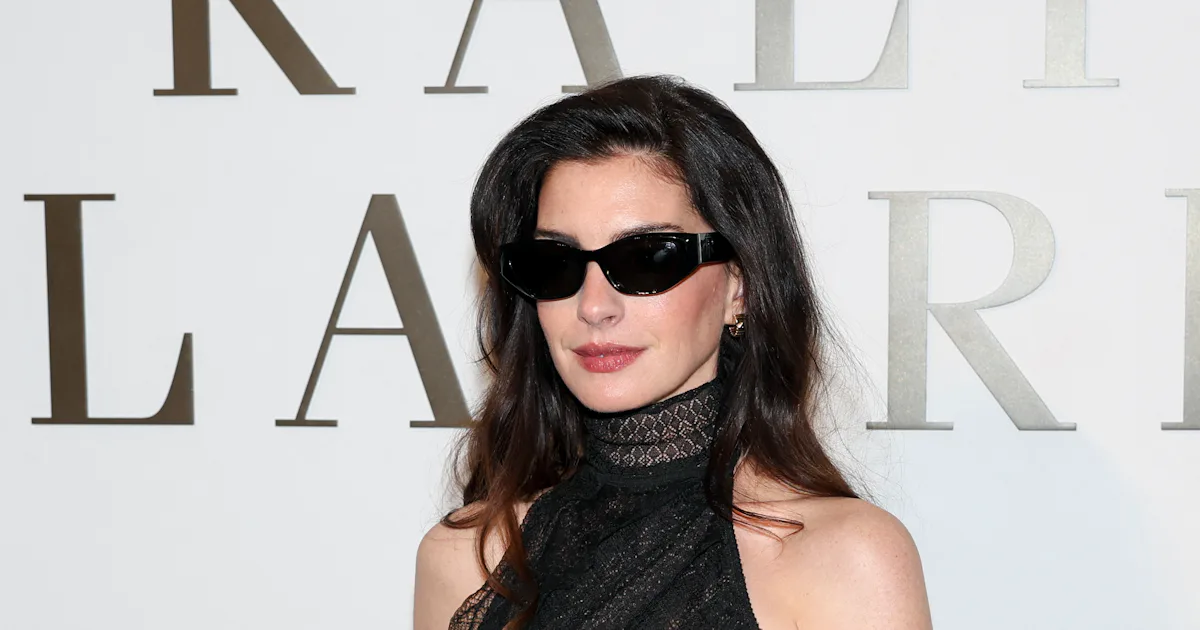
Body positivity was not generally on display during the September shows
JP YIM/GETTY IMAGES FOR CHRISTIAN COWAN
It states that 97 per cent of models on the catwalk this season were a UK size 4 to 8. Comparatively, only 2 per cent of their fellow catwalk clothes horses strutting in New York, London, Milan and Paris last month could be categorised as “mid-size” (a UK 10-16). Less than 1 per cent were “plus-size”, aka a UK 18.
Translation: you cannot just be smaller than the average dress size in the UK (a 16) to fit high fashion’s standards of what is beautiful, but far slimmer. Few could make it in career modelling as a size 10 — and probably not even an 8.
Don’t forget, what’s pushed on the most celebrated haute designers’ catwalks is what ends up being reflected on ecommerce websites and in magazines. It is not just outfits and styling ideas that trickle down.
In July Marks & Spencer had to remove an ad because the model pictured in it was dubbed by the Advertising Standards Authority as “unhealthily thin”. Just a few weeks later Zara was forced to do the same thing.

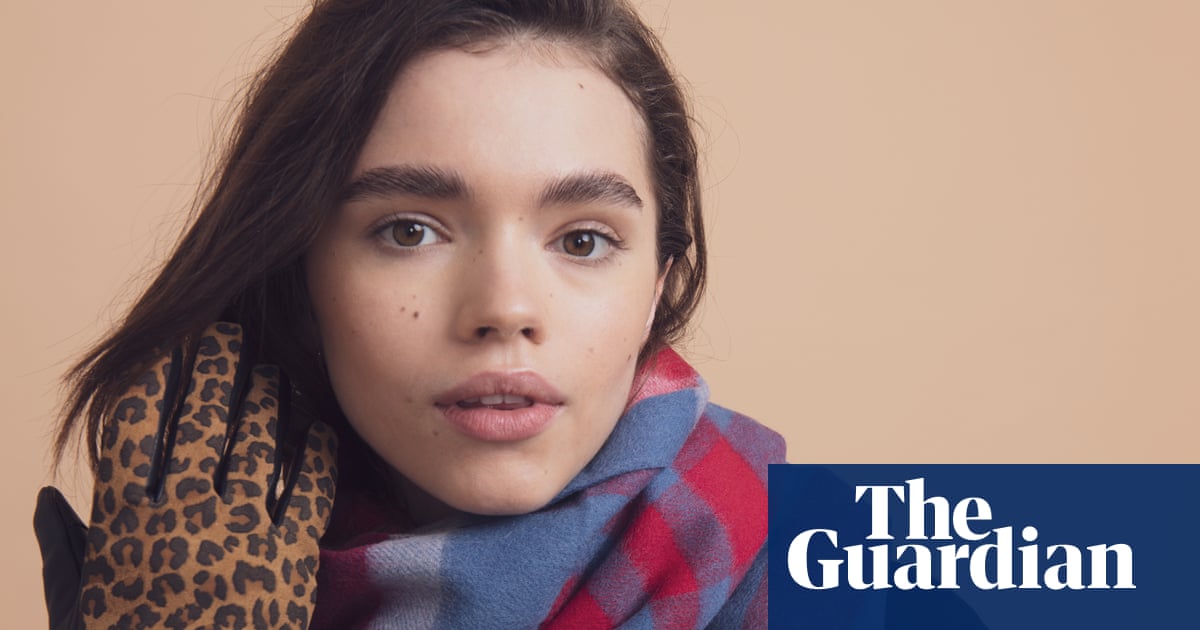
Marks and Spencer, above, and Zara, below, had to remove “unhealthily thin” adverts during the summer

While uncomfortable to see in black and white, the results will not surprise those who sit front row at fashion week. They are used to designers hiring just one plus-size model for their shows, a tokenistic gesture that is readily described as box-ticking.
Similarly, the same handful of recognisable — and proven safely bankable — faces are disproportionately utilised again and again. Ashley Graham, the size 16 supermodel, is one such name, but even so was only spotted in the line-up for two Spring/Summer 2026 shows: Nina Ricci and BOSS.

Ashley Graham
NOWFASHION/SHUTTERSTOCK
In the era of going “on the pen” to suppress your appetite, the issue is only getting more pointed. Elektra Kotsoni, deputy director of Vogue Business, describes the overall picture as “pretty dire”.
“I have never heard more female editors complain loudly about how skinny the models were before in my time going to fashion weeks,” she reveals.
“It’s only becoming worse because of Ozempic and our changing beauty standards. The weapons we yield against ageing have been multiplying since the pandemic — likely because we all started to spend much more time looking at our screens.”
In a survey conducted as part of the report among the title’s readers, 48 per cent of respondents said they “feel pressure to lose weight in order to feel fashionable”. Additionally, 13 per cent had used CLP1s and other weight-loss drugs.

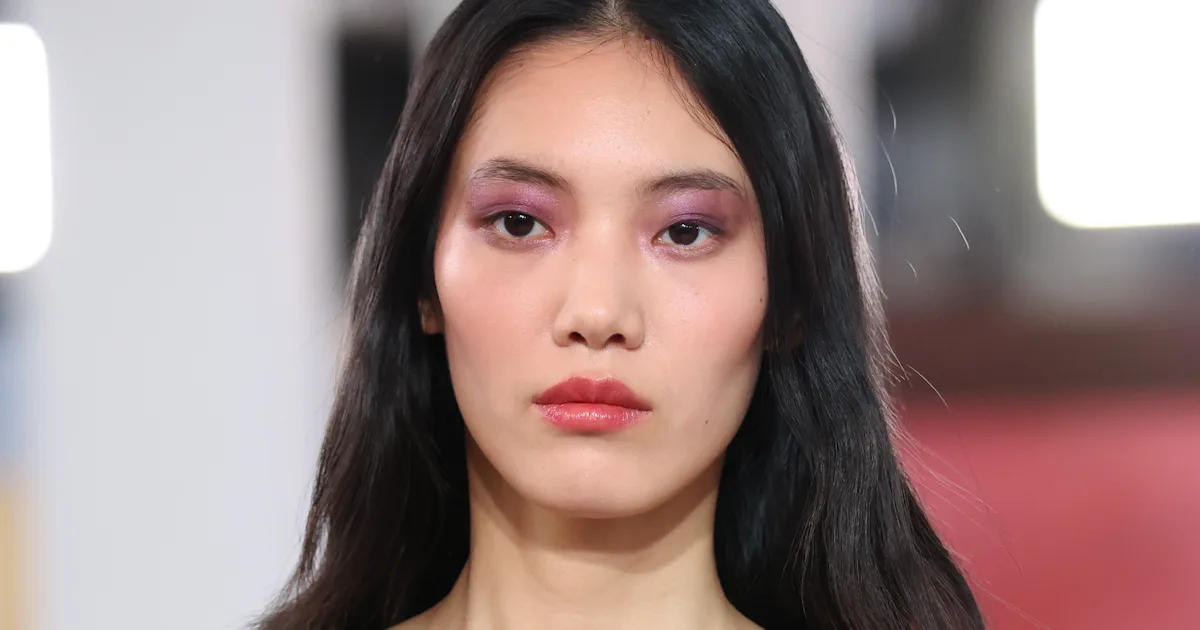
London Fashion Week was not immune from the emphasis on skinniness
EAMONN MCCORMACK/GETTY IMAGES
It does not help that the so-called curve category is often far less well represented in model agency books. On the website of the leading agency Models 1, there are only 46 listed versus 118 on its “main” board.
Vogue is not the only title to publicly issue concerns. The Times fashion director Anna Murphy has written of being “sad and angry” at the oftentimes skeletal models who once again seem to be normalised on runways.
Last season British Vogue’s head of editorial content, Chioma Nnadi, told this newspaper that she found “this new cult of thinness really troubling”.
Similarly, Elle UK’s editor-in-chief, Kenya Hunt, has spoken of an “extreme thinness on the runway that goes beyond size zero”.
In the Nineties it was Kate Moss’s then-groundbreaking “heroin chic” look that shocked. In 2025, that severe aesthetic is once again becoming worryingly normal.
link