Anastasia Soare on Recapitalization and What’s Next for the Brand

Anastasia Soare, the founder of Anastasia Beverly Hills, believes her $225 million recapitalization of the business proves her confidence in the brand she founded over 25 years ago.
“It was a reset for our brand. I started this brand more than 25 years ago. It was like my baby. Before COVID, we got a partner on board and we had a completely different aspiration, because it was a different time. COVID was challenging and obviously we had challenges, like everybody in the beauty industry, and after that, we worked with our lender and partner, and we recapitalized our loan and everything else,” she said in an exclusive interview over Zoom from her home in Los Angeles.
“I invested, not only my heart and soul. I invested money because I really believe in this brand,” she continued. “I started a category in the beauty industry that didn’t exist, which is eyebrows. And still today, we are the number-one brow brand in Sephora and every nine seconds around the world, a Brow Wiz is sold.”
To recap, Anastasia Beverly Hills missed a term payment on its $650 million loan in August and paid the price with downgrades to its credit rating from both Standard & Poor’s and Moody’s Investors Service.
On Christmas Eve it was announced that the brand closed a recapitalization transaction to reduce the company’s debt. As part of the transaction, Soare made a $300 million equity investment in ABH and remains the majority owner and chief executive officer of the company.
In turn, TPG’s stake in the business was reduced to around 6 percent. S&P estimates its total investment in ABH to add up to around $1 billion.
The move led to S&P last week upgrading its credit rating on Anastasia to “CCC+” from “D,” stating that the stable outlook reflects its expectations for improved cash flow generation in the next 12 months.
“The transaction reduces Anastasia’s debt burden, improving leverage metrics and interest coverage,” it said in a report. “The company’s new capital structure consists of a new $272 million first-lien term loan with a 4.5-year maturity, comprising $250 million of rollover debt and $22 million of accrued payment-in-kind interest from its previous term loan. This is a large reduction from $606 million outstanding as of Sept. 30, 2025.”
S&P expects sales to rebound modestly to low-single-digit percent growth in 2026 as the company laps the effects of retailer pullback this year, with improved timing of new product deliveries and steadier retail selling performance. It expects adjusted earnings before interest, taxes, depreciation and amortization to remain roughly flat in 2026 at about $50 million, partly due to the impact of tariffs.
“With this recapitalization, we will be able to invest our money into growing the company,” said Soare. “Of course, innovation always is going to be our core….We don’t launch a product if me and my daughter don’t believe that it’s going to be an absolute success. But the competition is there. They are brands that have deep pockets, so we need to invest the money to promote and grow the business.”
While ABH declined to provide a revenue figure, industry sources estimate net sales to be around $300 million.
In terms of categories, while Anastasia Beverly Hills ended 2025 as the number-one brow brand at Sephora, color has been challenged, which Soare partly attributes to the clean girl trend, although she sees demand for color cosmetics is coming back.
“In the last two, three years, the no-makeup skin care trend was big. In a way, it’s not that exciting,” she continued. “If I am an influencer, I could show you my beautiful skin for a little bit, but I want to express myself. Colors make us happy. If you look on social media right now, everybody is so excited. Everybody is using color because makeup is an expression of art.”
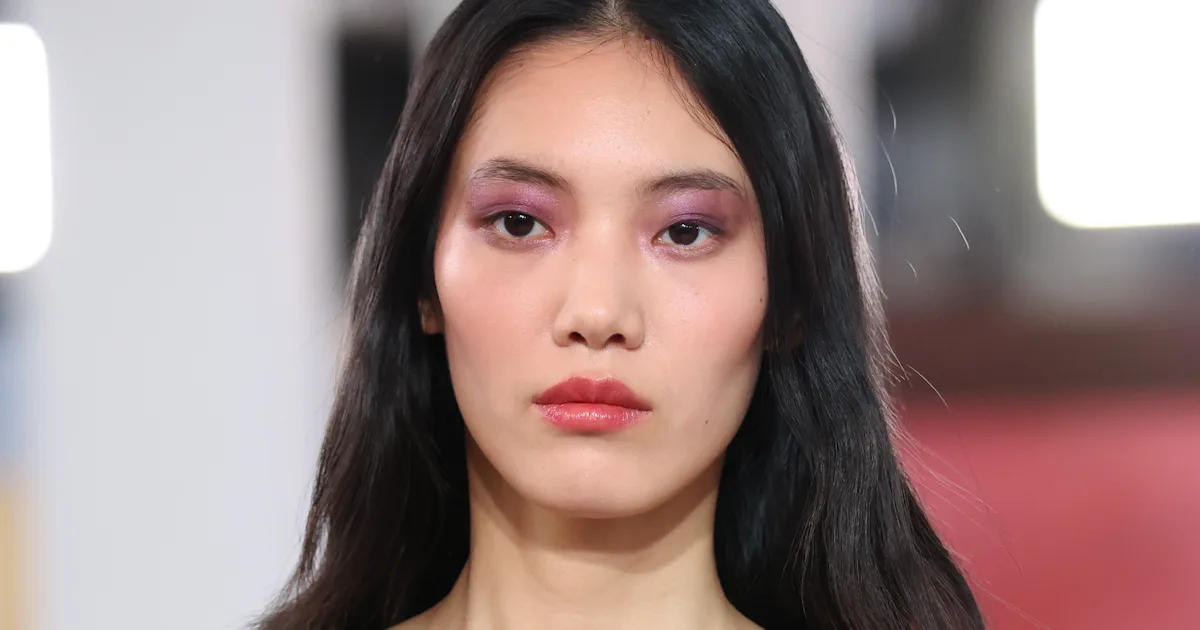
In color, innovation will begin with Glidr Shadow Sticks, priced at $34, available in 25 shades and designed to make eye shadow application effortless.
“This is a product that will be very successful, not just for the people that are savvy makeup artists, but for anyone — any mom that needs to drop her kids at school and in two minutes, wants to do her eye shadow. This is an easy way, and, of course, you could pair with our palette and create a more elevated look,” Soare added.
Circana reported in November that makeup was up 3 percent in the prestige market, reaching $7.9 billion during the first nine months of the year, with launches driving growth across segments like eye, face, lip, nail and sets.
While ABH was an early adopter of social media, the landscape has changed a lot since then. Nevertheless, Soare is confident the brand can still win.
“We’re still the same,” she said. “We want to stay close to the influencers. They are still our friends. We know them. We believe in them. We supported them. They built a business around Instagram and now TikTok, so staying connected, creating events and showing them what we have on the pipeline. That’s very important.”
In terms of retail, she said she will go wherever the customer is. Currently, ABH is sold at Sephora, Ulta Beauty, Nordstrom, Dillard’s and more. While other brands have flocked to Amazon as of late, ABH has been on it for some time to prevent fakes being sold on the site.
Soare also has her sights set on boosting the brand’s international presence this year, as well as entering more travel retail.
Like many other brands, tariffs remain challenging. S&P noted that tariff-related headwinds or inability to manage higher import costs could weaken margin further beyond its base-case forecast in 2026.
“Everybody is exposed. The tariffs are the tariffs. Every component is made in China. It’s a problem for all of us, not only for Anastasia,” said Soare.
“We’ll stay focused, grow our sales, reduce our cost of operation, and get the best EBITDA possible.”
link