How Bandy AI’s Fashion Models Can Change the Way We Shop
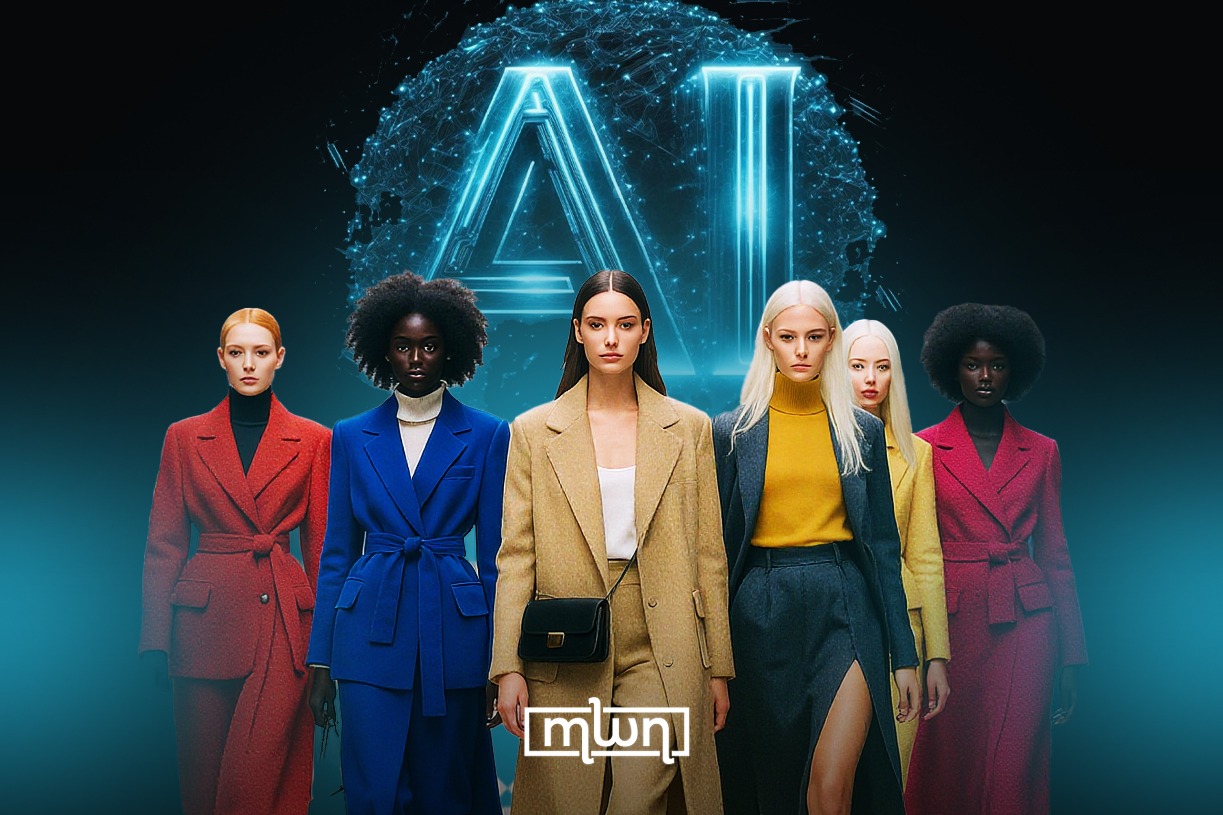
The fashion industry has always been at the forefront of innovation, from the invention of the sewing machine to the rise of e-commerce. Today, another revolution is underway—one powered by artificial intelligence. AI fashion models are transforming the way brands showcase their products, making high-quality imagery more accessible, scalable, and cost-effective than ever before.
Gone are the days when brands had to rely solely on expensive photoshoots, casting calls, and lengthy editing processes. AI-generated models now offer a dynamic alternative, allowing retailers to create lifelike, diverse, and customizable visuals in seconds. But how exactly is this technology reshaping consumer behavior and the future of online shopping?
The Rise of AI Fashion Models
1. Eliminating Traditional Barriers
Historically, producing professional on-model fashion imagery required significant resources — hiring models, photographers, stylists, and renting studio space. Smaller brands often struggled to compete with larger retailers due to these high costs.
AI fashion models remove these barriers by digitally fitting clothing onto photorealistic avatars. Whether it’s a dress, a pair of sunglasses, or a full outfit, AI can generate high-resolution images without the need for physical models. This democratizes fashion marketing, giving independent designers and emerging brands the same visual appeal as industry giants.
2. Diversity and Inclusivity at Scale
One of the most compelling advantages of AI fashion models is their ability to represent a wide range of body types, skin tones, and ages. Traditional photoshoots often limit diversity due to logistical and budgetary constraints. AI, however, can generate models that reflect a brand’s entire customer base, fostering inclusivity and improving relatability.
For example, a single product can be showcased on multiple AI models with different ethnicities, sizes, and styles—something that would be costly and time-consuming in a traditional shoot. This not only enhances brand authenticity but also helps shoppers visualize how products might look on themselves.
3. Speed and Scalability
E-commerce moves fast, and brands need to keep up. AI-generated fashion imagery can be produced in minutes rather than weeks, allowing retailers to:
- Launch new collections faster
- Test different styles and poses without reshoots
- Update product listings instantly based on trends
This agility is crucial in an industry where trends change rapidly and consumer expectations demand fresh, engaging content.
How AI Fashion Models Enhance the Shopping Experience
1. Hyper-Personalization
AI doesn’t just create models — it can tailor them to fit a brand’s aesthetic or even a customer’s preferences. Some platforms allow users to upload their own faces or adjust features to see how clothing would look on a model resembling them. This level of personalization bridges the gap between online shopping and the in-store fitting room experience.
2. Dynamic Product Visualization
Static product images are no longer enough. Shoppers want to see clothing from multiple angles, in motion, and styled in different ways. AI fashion models can generate:
- 360-degree views
- Various poses (front, side, close-ups)
- Customizable lifestyle settings (urban, beach, studio)
This immersive experience reduces uncertainty, leading to fewer returns and higher customer satisfaction.
3. Sustainable Fashion Marketing
The fashion industry is under increasing pressure to reduce waste — not just in production but also in marketing. Traditional photoshoots involve extensive travel, sample garments, and energy consumption. AI-generated imagery significantly cuts down on this environmental footprint by eliminating the need for physical shoots.
The Future of AI in Fashion
As AI technology advances, we can expect even more sophisticated applications. These could include:
- Virtual Try-Ons: AI models could integrate with augmented reality (AR), letting shoppers “try on” clothes via their smartphone cameras.
- AI-Generated Styling: Algorithms could suggest complete outfits based on a customer’s preferences or past purchases.
- Real-Time Customization: Brands might offer AI-generated models that adjust in real-time to showcase different colors, patterns, or fits.
While AI will never fully replace authentic human creativity, it’s becoming an indispensable tool for brands looking to innovate and stay competitive.
A Practical Solution: Bandy AI Fashion Model
For brands seeking an efficient way to adopt AI fashion models, platforms like Bandy AI Fashion Model Studio provide a seamless solution. This tool enables businesses to:
- Generate photorealistic model imagery in seconds
- Swap backgrounds, poses, and models with a single click
- Access a diverse library of AI avatars to match their brand identity
By leveraging such technology, retailers can create high-converting visuals without the traditional costs and delays of photoshoots.
AI fashion models are more than just a trend — they represent a fundamental shift in how fashion is marketed and consumed. By making professional imagery more accessible, inclusive, and sustainable, this technology is setting a new standard for e-commerce.
As consumers continue to demand richer, more personalized shopping experiences, brands that embrace AI-generated visuals will have a clear advantage. The digital runway is here, and it’s changing the way we shop—one algorithm at a time.
Would you try AI fashion models for your brand? The future of fashion could be just one click away.
link