Nail Polish Ban: What Other Beauty Ingredients Are Banned in EU, Not US?
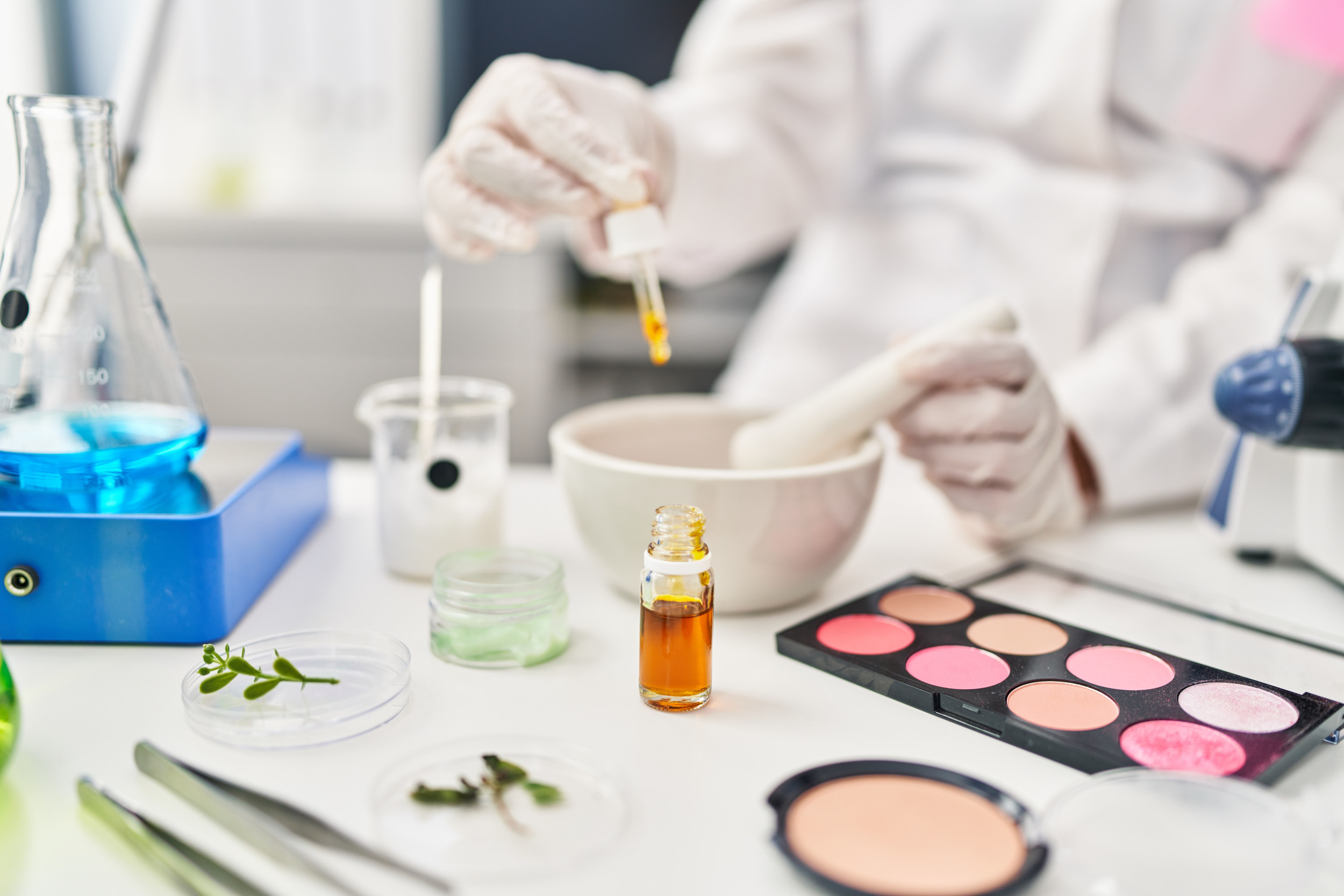
Europe has banned thousands of chemicals from being used in cosmetics—ingredients that are still legal in American beauty products.
While U.S. consumers continue to apply lotions, hair dye and nail polish containing substances linked to cancer and reproductive harm, the European Union (EU) is moving swiftly to eliminate them from shelves.
This article comes in the wake of the EU’s latest move: on September 1, 2025, regulators banned trimethylbenzoyl diphenylphosphine oxide (TPO)—a chemical commonly used in gel nail polish—after concluding that it could be carcinogenic, mutagenic and harmful to reproduction.
Newsweek spoke to Janet Nudelman, Director of the Campaign for Safe Cosmetics, about the regulatory gap between Europe and the U.S., as well as Dr. Paul Savage, a pioneer in personalized medicine, about the health risks of toxic ingredients and how consumers can protect themselves.

AaronAmat/iStock / Getty Images Plus
Europe vs. the US: A Regulatory Divide
Nudelman—the senior director of program & policy at Breast Cancer Prevention Partners, a leading science-based advocacy organization—points to the significant disparity between the two region’s policies around cosmetics manufacturing.
“In 2004 when the E.U. adopted their Cosmetic Regulation that banned or restricted 1,100 chemicals from cosmetic products, the U.S. Food and Drug Administration (FDA), in contrast, had only banned or restricted 11,” she told Newsweek.
“Fast forward 20 years, and the EU now has bans on over 2,500 chemicals and restricts another 790.
“In comparison, the U.S. has only banned or restricted an additional 22 chemicals—19 of them active ingredients in antibacterial soaps, a ruling that took 40 years for the FDA to make.”
Why Europe and the US Differ on Cosmetic Safety
Savage is the founder of MDLifespan, a health optimization company that focuses on longevity and wellness through an innovative therapy.
He explained: “The EU operates under the precautionary principle, which means they restrict or ban ingredients if there’s even a suspicion of harm (links to cancer, hormone disruption or even reproductive toxicity).”
Accordingly, in the EU, manufacturers must prove the safety of their ingredients before they are given approved.
“The US operates under a reactive approach, allowing ingredients until they are definitely proven harmful. The burden of proof often falls on consumers or advocacy groups to demonstrate the harm of these toxins—which can sometimes take years.”
As a result, American shoppers face greater exposure to substances already banned in Europe, including:
- Parabens—linked to hormone disruption and breast cancer;
- Phthalates—associated with reproductive harm, often used in fragrances;
- Formaldehyde-releasing agents—carcinogens used in hair and nail products;
- PFAS (“forever chemicals”)—found in waterproof makeup, linked to cancer and immune harm.
“The bottom line is that U.S. consumers have to be more proactive,” Savage said.
What’s Still Legal in the US
While the EU has systematically removed thousands of potentially harmful chemicals from cosmetics, U.S. consumers are still exposed to ingredients with documented risks.
Nudelman outlined several examples:
- Styrene: Styrene acrylates copolymer is used in cosmetics for color. While it’s generally considered safe because the body doesn’t absorb it well, it can sometimes contain trace amounts of styrene—a chemical used in plastics that’s considered a possible cancer risk.
- Cyclotetrasiloxane (D4): Present in hair and skin care products, particularly those marketed to women of color; linked to endocrine disruption and environmental toxicity.
- Mercury: Although banned in the U.S., mercury is sometimes found in skin lightening and anti-aging treatments sold illegally. Exposure can be harmful and lead to serious health issues such as changes in vision or hearing and tremors.
- Parabens: Certain forms, like isobutylparaben and isopropylparaben, remain legal in the U.S. despite links to endocrine disruption and breast cancer.
- Toluene: Once widely used in nail polish to improve drying and viscosity—has declined in use since the 1990s due to regulatory restrictions, as it is linked to central nervous system, cardiovascular, respiratory, and reproductive toxicity, and is considered both carcinogenic and teratogenic.
- Formaldehyde and methylene glycol: Still present in some hair straightening products, linked to cancer and respiratory harm.
- Lillial: A fragrance ingredient tied to reproductive harm.
- Asbestos: Found as a contaminant in talc-based powders and some mineral makeups. Some studies cited by the American Cancer Society suggest a possible link between talcum powder use in the genital area and a slightly increased risk of ovarian cancer, but stronger prospective studies have not confirmed this association. Research on talc miners and lung cancer has also shown mixed results, complicated by other risk factors. Overall, the evidence is inconclusive, and more research is needed to fully understand any potential risks.
- M- and o-Phenylenediamine: Hair dye chemicals linked to cancer and organ toxicity.
- Acetaldehyde: Classified as a carcinogen, but still permitted in U.S. cosmetics.
“These are chemicals that the EU and several U.S. states have already banned, but they remain legally present in beauty products sold nationwide,” Nudelman emphasized.
However, not all states permit these ingredients. In recent years, California, Maryland, Oregon, Vermont and Washington have taken matters into their own hands.
How Consumers Can Protect Themselves
For consumers outside those states, there are still ways to stay safe.
Savage suggests the following:
- Reading labels carefully, opting for certified products such as EWG Verified or USDA Organic.
- Simplifying routines to minimize exposure.
- Using apps like EWG’s Healthy Living or Think Dirty to quickly flag safer alternatives.
Do you have a tip on a health story Newsweek should be covering? Do you have a question about cosmetics ingredients? Let us know via health@newsweek.com.
link