Tips for wasting less this holiday season

From wrapping paper to food scraps to holiday sweaters, the holidays can be a wasteful time of year. Research shows that Americans produce 25% more household waste during the period between Thanksgiving and New Year’s Day. This is spurred on by increased spending, with Americans predicted to spend $778 per person on gifts during the 2025 holiday season.
PIRG and Environment America kicked off the holiday season aiming to reduce waste with our, “Waste Less, Celebrate More” webinar in early December. See the full recorded webinar below, along with tips on how to prevent five major sources of holiday waste: plastic, clothing, electronic, gift wrapping and food.
Waste Less, Celebrate More Webinar
Plastic Waste
From plastic in our waterways to microplastics in our bodies, plastic is everywhere. The widespread nature of our plastic problems is created by the rapid production and disposal of plastic products. Americans generate enough plastic waste to fill the Dallas Cowboys Stadium, the largest professional sports stadium in the country, every 16 hours. This problem worsens during the holiday season, when packaging, excess gifts, and disposable items become more prevalent.
Thankfully, the holidays also provide many opportunities to combat this widespread problem. Here are a few tips to consider when shopping during the holidays to reduce your plastic footprint:
- Opt for quality and durability. Look for materials designed to last, avoiding single-use plastics when possible. Sustainable and durable materials not only allow the recipient to enjoy the gift for longer, but also prevent plastic waste.
- Buy fewer gifts. More gifts often equals more waste. Buying fewer gifts can give special meaning to the intentional ones we choose for our loved ones. Participating in alternative gift exchanges like Secret Santa can help reduce the amount of gifts given and received.
- Find gifts with minimal packaging. When shopping, take notice of the way gifts are packaged and avoid gifts with excess packaging. Shopping locally and shopping from small businesses can often help reduce plastic packaging.
- Help others reduce waste. If people around you are interested in lessening their own environmental impact, consider gifts that reduce waste! Gift cards to refilleries, reusable shopping or produce bags, and reusable travel mugs all help to lessen plastic waste far beyond the holidays.
- Shop strategically online. Online shopping often results in large amounts of unnecessary plastic packaging waste, particularly from large retailers. If shopping online is unavoidable, consider making your online purchases all at once to reduce packaging waste.
We can also reduce packaging from online retailers at the source by asking companies to reduce their use of single-use plastic packaging. Add your name to our petition calling on Amazon to reduce their plastic packaging.
Tell Amazon: Reduce plastic packaging

Beyond plastic
Tell Amazon: Reduce plastic packaging
It’s time for Amazon’s plastic bags, padded mailers and plastic film to go.
Clothing Waste

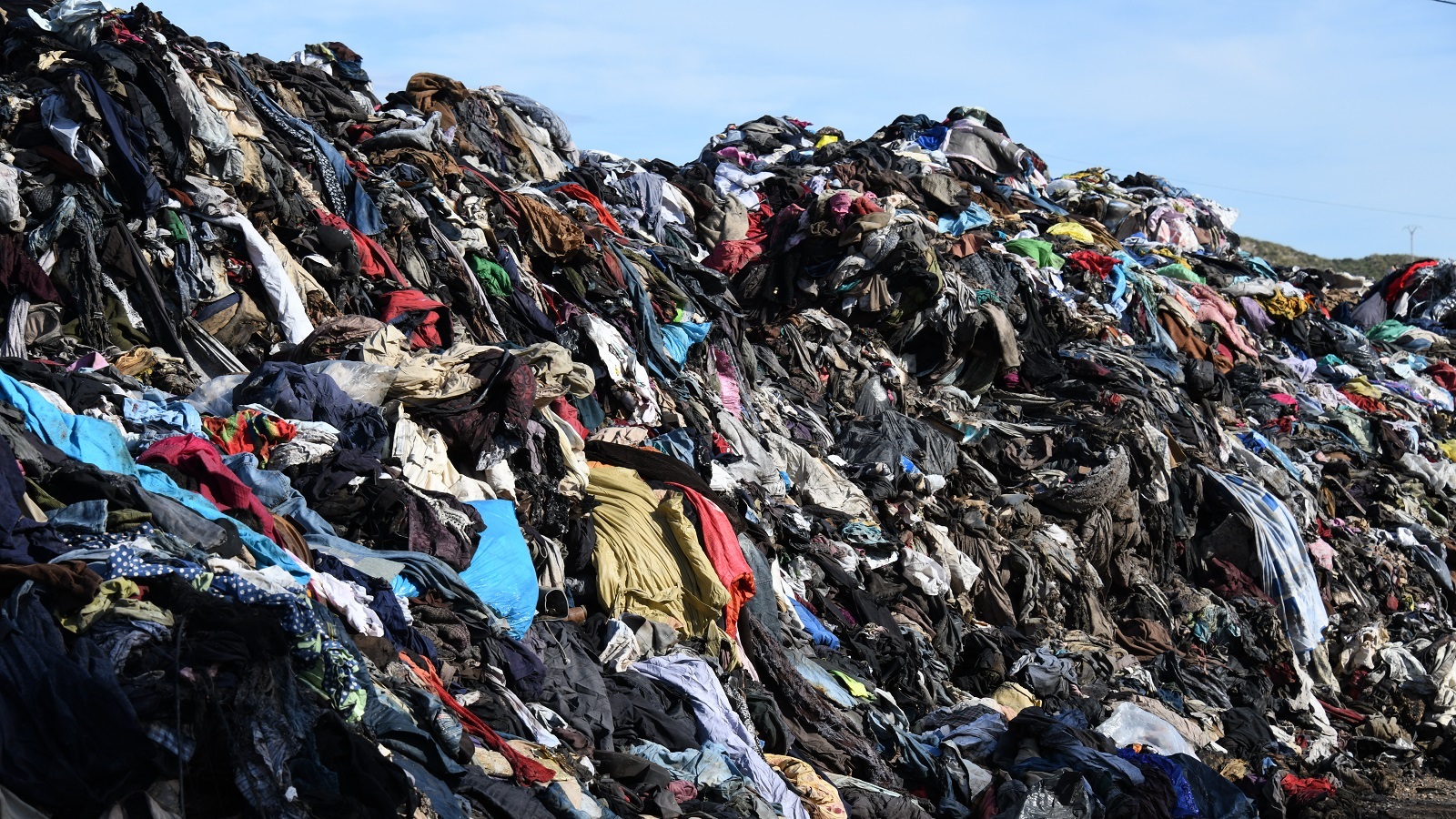
A vast accumulation of discarded clothing and fabrics fills the landfill, highlighting the issue of textile waste under bright sunlightPhoto by Shutterstock | Shutterstock.com
Fashion and textile waste is one of the fastest growing waste streams in the United States. From new outfits for holiday parties to trendy items gifted to loved ones, the holidays can produce a lot of fashion waste. Here are some simple ways to reduce seasonal fashion waste:
- Shop your closet. The most sustainable clothing items to wear are the ones you already own. Browse your current wardrobe before buying anything new, and consider loaning items between friends if you’re looking for a fresh look.
- Rent a holiday outfit. Online rental services offer diverse clothing options for all kinds of occasions, sizes, and styles. Renting clothing allows more choice, and reduces the amount of clothing worn only once to a holiday party or celebration.
- Borrow or swap with a friend. Clothing swaps are an increasingly popular way to refresh your wardrobe while preventing clothing waste. Follow our simple guide to planning a clothing swap to exchange clothes with your friends or community.
- Buy secondhand. Thrifting or shopping vintage are sustainable ways to find unique items for yourself or others to enjoy. Online secondhand retailers also offer wide selections, but be aware of the additional packaging often created through shipping.
- Get crafty. Homemade or upcycled clothing are fun ways to customize or create your own gifts. Holiday sweaters and scarves can easily be knitted or crocheted with recycled or repurposed yarn. The resulting garments are often more unique and special than the originals.
- Make your voice heard. Sign our petition calling on fast fashion retailers like H&M to publicly commit to not burning or trashing unsold clothing.
Tell H&M: Don’t throw away unused clothes
Corporate responsibility
Tell H&M: Don’t throw away unused clothes
In recent years, reports revealed that H&M threw away or even incinerated unused clothes. As someone who cares deeply about clothing waste, I urge H&M to commit to not trash their unsold clothing.
Fixed for the Holidays

- Get a good price. Generally, the cost of a reliable, refurbished device is 15-20% less than buying new, plus 10% per year since the original state.
- Check the accessories. Many refurbished gifts don’t come with accessories like headphones, connecting cords or charging stations that would typically be included if the item was bought new. Always check the details of your purchase before buying to see what is included and what you might need to purchase separately.
- Watch for unsupported software. When buying refurbished electronics, it’s important to be aware of potential software constraints.
- Look into repair scores. Research the repairability scores of the devices considering or look into the repairability track record of the manufacturer. U.S. PIRG, iFixit, and Consumer Reports have resources that track repairability and durability of many consumer electronics.
You can help make electronics repairable by calling on Apple to make Airpods designed to last.
Wrapping Waste

Photo by Pexels | Public Domain
Wrapping waste is one of largest and most avoidable holiday waste sources. The United States throws away an estimated 2.6 billion pounds of wrapping paper each year. With many wrapping paper varieties coated in plastic or decorated with glitter, this volume creates major problems for the environment. Thankfully, there are many ways to reduce this major source of holiday waste.
- Check for recyclable materials. If using store bought wrapping paper, ensure it’s recyclable before purchasing. Avoid non-biodegradable glitter, and check for plastic coatings. Also be wary of wrapping paper branded as “recycled,” as it does not always ensure it is recyclable.
- Use materials you already have. The most sustainable kind of wrapping paper to use is the kind you already have. If you already have birthday wrapping paper in your closet, consider using it over newly-purchased holiday wrapping paper.
- Incorporate natural materials. Natural materials are a fun, accessible and affordable way to decorate your wrapped gifts. Dehydrated orange slices, fresh greenery, and branches of your tree can make wrapped gifts more festive.
- Opt for reusable. Wrapping materials in fabric, repurposed materials, or parts of the gift are sustainable and creative options for wrapping a gift without waste. Reusable tote bags and clothing items like sweaters or scarves can easily serve as zero-waste gift wrap while also being a fun seasonal gift.
link